
- Idea 1: Time-Shifted Night Economy for Parents
- Idea 2: Dynamic Silence Marketplace for Noisy Cities
- Idea 3: Adaptive Neighborhood Noticeboard for Micro-Opportunities
- Idea 4: "Reverse Resume" Platform for Mid-Career Professionals
- Idea 5: Local "Skill Tracer" Genealogy Service
- Into the Water
For those of you that are new, welcome to Next Gen Ideas, the newsletter that provides the catalyst for entrepreneurs and innovators looking for a little creative spark. Each week, we will send 5 ideas that have randomly popped into our heads as regular everyday people – we're no billionaires, no business gurus, just some people with overactive imaginations. We end each issue with progress, lessons, and behind-the-scenes notes from moving one idea from ideation to action in Into the Water.
Meet Sarah. It's 7:15 a.m. on a Saturday. She's been awake since 5:30 because that's just what happens now. Her kids are at her parents' place for the weekend — a rare, almost mythical event — and for the first time in months, the night is theoretically hers. Except it isn't really, is it? By 9 p.m. she'll be fighting to keep her eyes open, and the bars don't really get going until 11. So she's sitting in her kitchen, drinking coffee, thinking about how nobody actually designs anything for people like her. No late nights. No silence. No way to signal to the world — or a potential employer — that she's done with open-plan offices and micromanaging bosses, thank you very much. She doesn't need a new life. She just needs a few better systems. And honestly? So do most of us. This week we've got five ideas that try to give people exactly what they need, exactly when they need it — whether that's a morning cocktail bar at 8 a.m., a guaranteed pocket of quiet in a noisy city, or a resume that finally leads with what you're not willing to do. We're particularly proud of this one. Issue 50, baby.
As always, if you ever try to action one of these ideas or have actioned them in the past, please reach out and share your experience with us! We'd love to feature you in a newsletter.

Idea 1: Time-Shifted Night Economy for Parents

Parents — and honestly anyone whose body betrayed them into becoming a morning person — are quietly being left out of an entire social economy. Nightlife is designed for people who come alive at midnight, but there's a whole crowd who peaks at 7 a.m. and is basically furniture by 9 p.m. So what if you just... moved the party? A chain of morning bars running 6–10 a.m., with good music, social games, small plates, and thoughtfully crafted alcohol-optional signature drinks — everything that makes a great night out, just shifted eight hours earlier. It's not a brunch spot and it's not a coffee shop; it's a proper social venue for the demographic that nightlife forgot. The business opportunity is simple: an entirely underserved audience, an underused time slot, and zero competition from anyone who stays up past ten.
Idea 2: Dynamic Silence Marketplace for Noisy Cities
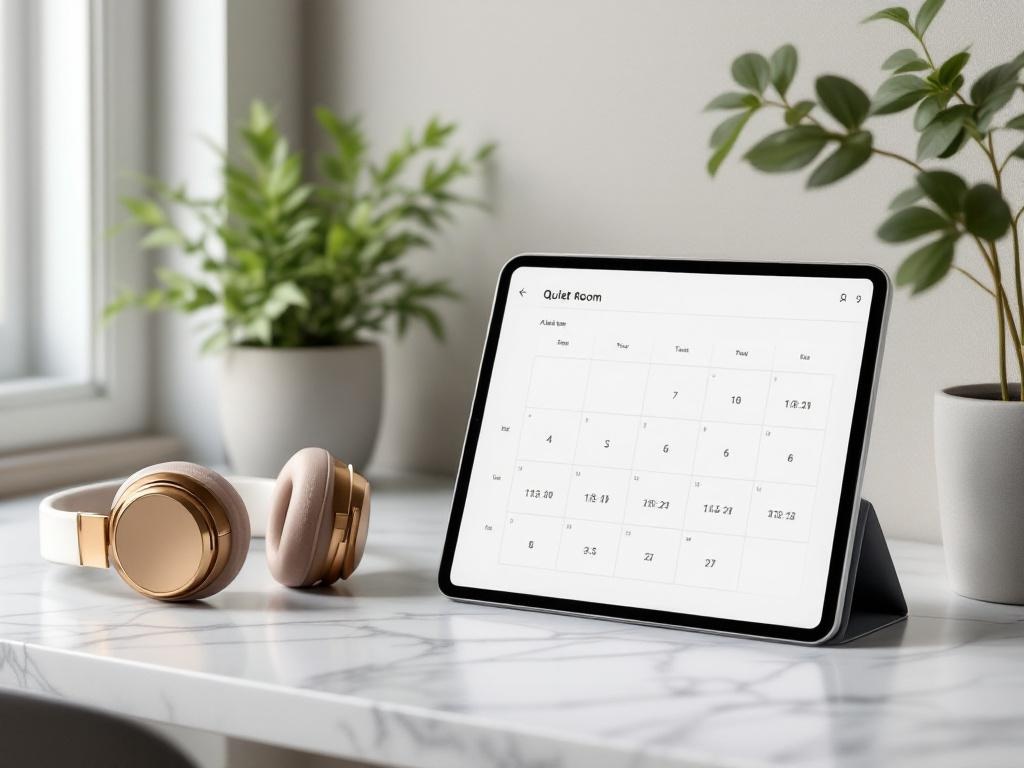
Silence, it turns out, is becoming a luxury — and like most luxuries, nobody's figured out how to sell it properly yet. The idea here is a marketplace where building owners and institutions (think: chapels, university libraries, private offices, recording studios between bookings) can list blocks of guaranteed quiet — a silent office on Sunday morning, a chapel on Tuesday afternoon — and people who genuinely need it can book it. We're talking students cramming for exams, writers chasing deadlines, people with sensory sensitivities, or anyone who just needs two hours where a leaf blower isn't the soundtrack. The novelty is treating silence not as a passive absence of noise, but as a tradable, time-bound resource with real monetary value. Airbnb did it for space — someone should do it for quiet.
Idea 3: Adaptive Neighborhood Noticeboard for Micro-Opportunities
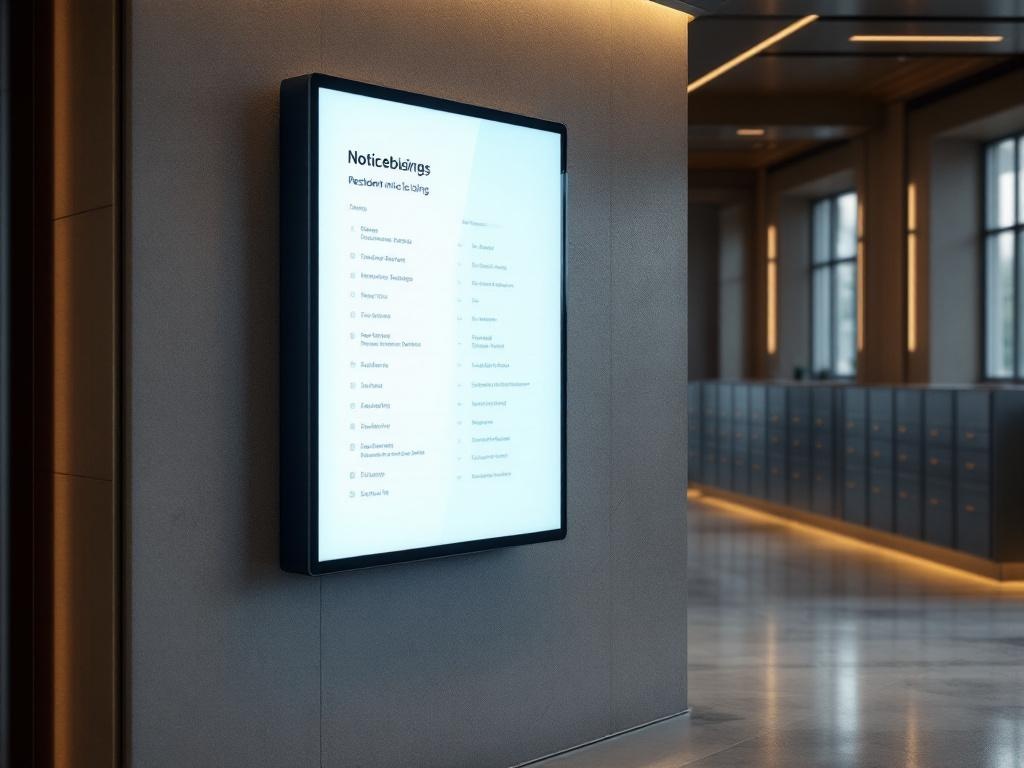
That corkboard in your apartment lobby with the slightly damp flyer for a dog walker from 2019 isn't doing anyone any favors. The reimagined version is a smart physical noticeboard — installed in lobbies, HOA common rooms, or neighborhood hubs — that pulls in real-time micro-signals from residents and displays them live: someone two floors up needs a drill for twenty minutes, there's leftover pasta in unit 312, a neighbor's looking for a chess partner tonight. It's hyper-local, context-aware, and — crucially — it updates itself, so the information is actually useful rather than archaeologically interesting. Start with apartment buildings as a clean, contained first market, then expand into HOAs and neighborhoods as the product matures, eventually connecting apartments and housing developments, so more and more people begin to feel like neighbors. The business here is turning the forgotten lobby noticeboard into the most useful thing in the building.
Idea 4: "Reverse Resume" Platform for Mid-Career Professionals
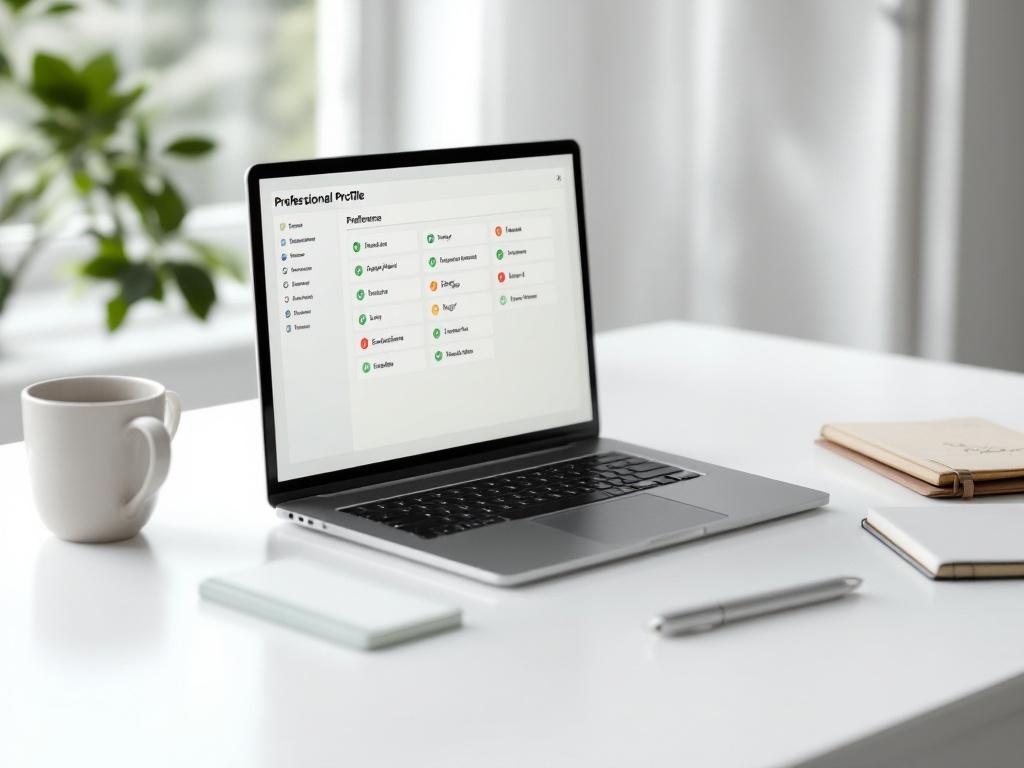
By the time you're ten or fifteen years into your career, you know exactly what you never want to do again — you just have no professional way to say it. A reverse resume platform lets mid-career professionals build a profile around explicit negatives: industries they're done with, management styles they won't tolerate, tasks that quietly killed them inside, environments that aren't for them. Companies then search not for the presence of certain buzzwords, but for the absence of dealbreakers — filtering out mismatches before anyone wastes anyone's time. It's a fundamentally more honest way to hire and to be hired, and it would save an enormous amount of mutual suffering on both sides of the table. The business opportunity is becoming the first hiring platform that treats "what you won't do" as a first-class professional signal.
Idea 5: Local "Skill Tracer" Genealogy Service

Genealogy services will happily tell you that your great-great-grandmother was from a village in Northern Italy — but they won't tell you she was also a master bookbinder, and that skill died with her. Skill Tracer is a service that maps the practical and tacit skill ancestry in your family: what your relatives could do, which abilities quietly vanished between generations, and how you might deliberately re-acquire the ones that matter to you. It can extend beyond blood family too — think mentors, teachers, and the people who showed you how to do things, visualized as a kind of skill family tree in the same vein as academic lineage maps. A smart go-to-market would be targeting tight-knit niche communities first — craft guilds, martial arts communities, folk music scenes — where skill transmission is already culturally meaningful, then expanding outward from there. The business opportunity is turning generational skill loss from something that just happens quietly into something people can actually see, mourn, and reverse.
Into the Water
Last week we had a bit of a reckoning. We'd been knocking on the door of full-scale manufacturers — and look, we get it, that was us skipping about four steps at once. This week we came back down to earth and started reaching out to prototype sewers instead. A much smaller niche, a much lower barrier to entry, and — we thought — a much friendlier crowd to navigate. We were half right.
Some companies just didn't respond. Some came back to say they'd pivoted toward higher-volume clients and weren't really set up for one-off prototypes anymore. A few were honest enough to say our particular problem wasn't in their wheelhouse — but here's the thing that actually made us feel good: some of those same companies referred us to people who might be able to help. That doesn't happen unless you're talking to the right crowd. Getting pointed in a direction by a competitor is a quiet little signal that you're at least in the right room, even if you haven't found the right chair yet.
We haven't landed anyone yet, and we're not going to pretend otherwise. But this week reinforced something we keep having to remind ourselves: it's still a numbers game. You send enough emails, you have enough conversations, and eventually the right person picks up. The referrals are encouraging. The silence from some inboxes is not discouraging — it's just part of the process. We keep going.
See you next week for more…

Next Gen Ideas encourages the free and independent use of these ideas, and any monetary gains generated from these ideas is the sole property of the individual who took action on these ideas. Next Gen Ideas forgoes any inherent right of ownership over these ideas.