
- Idea 1: Field Edge Pest Map
- Idea 2: Backcountry Waste Pack-Out
- Idea 3: Wildlife Crossing Audit
- Idea 4: Outdoor Task Micro-Apprenticeships
- Idea 5: Field Path Stabilizer Panel
- Into the Water
For those of you that are new, welcome to Next Gen Ideas, the newsletter that provides the catalyst for entrepreneurs and innovators looking for a little creative spark. Each week, we will send 5 ideas that have randomly popped into our heads as regular everyday people – we're no billionaires, no business gurus, just some people with overactive imaginations. We end each issue with progress, lessons, and behind-the-scenes notes from moving one idea from ideation to action in Into the Water.
Issue 55 — we took one look outside this week and immediately lost any desire to write about tech, gadgets, or anything that requires a Wi-Fi connection. The wildflowers are popping, the sun is actually doing its job, and spring has officially shown up like it owns the place. So we leaned into it. This week is all about the outdoors — farms, trails, back roads, and the kind of problems that don't come with a keyboard shortcut. Pests creeping in from the field edge, trash bags on hiking trails, deer stopping rush-hour traffic with their bodies, and access paths that turn into swamps the moment it drizzles — these are real, unglamorous, and genuinely underserved problems. Exactly where we like to play.
As always, if you ever try to action one of these ideas or have actioned them in the past, please reach out and share your experience with us! We'd love to feature you in a newsletter.

Idea 1: Field Edge Pest Map

Here's the thing about pest pressure on a farm — by the time you know you have a problem, you've already got a problem. Most monitoring tools treat the whole farm like one big, uniform target, when in reality the real action is happening at the field edge, where crops meet hedgerows, tree lines, and everything nature is quietly sending your way. This service uses simple trap data and phone photos submitted by farmers to build a live, field-edge-specific pest pressure map — so growers can see exactly where an outbreak is forming before it spreads inward. Connect to other farms nearby and you can start being proactive instead of reactive. It's precision agriculture without the six-figure drone subscription, and the business case writes itself: earlier intervention means less spray, less crop loss, and a farmer who actually sleeps at night.
Idea 2: Backcountry Waste Pack-Out

There is a trash problem in the backcountry, and it is not subtle. Every summer, millions of people hike into some of the most beautiful places on earth and leave behind something that absolutely should not be there. Many people don't want to litter, but after lugging around pounds of trash, they think they can set it down while they finish a hike, only to come back to it spread all over the place and racoons having a heyday. This service provides hikers, outfitters, and remote work crews with compact, pre-supplied waste pack-out kits through a subscription or event-based model, paired with scheduled pickup or exchange points at trailheads and popular access areas. State parks, national parks, and federal forests are the obvious targets — sell it to hikers or the parks themselves, because the alternative is rangers cleaning up after strangers. Leave No Trace just got a logistics upgrade.
Idea 3: Wildlife Crossing Audit
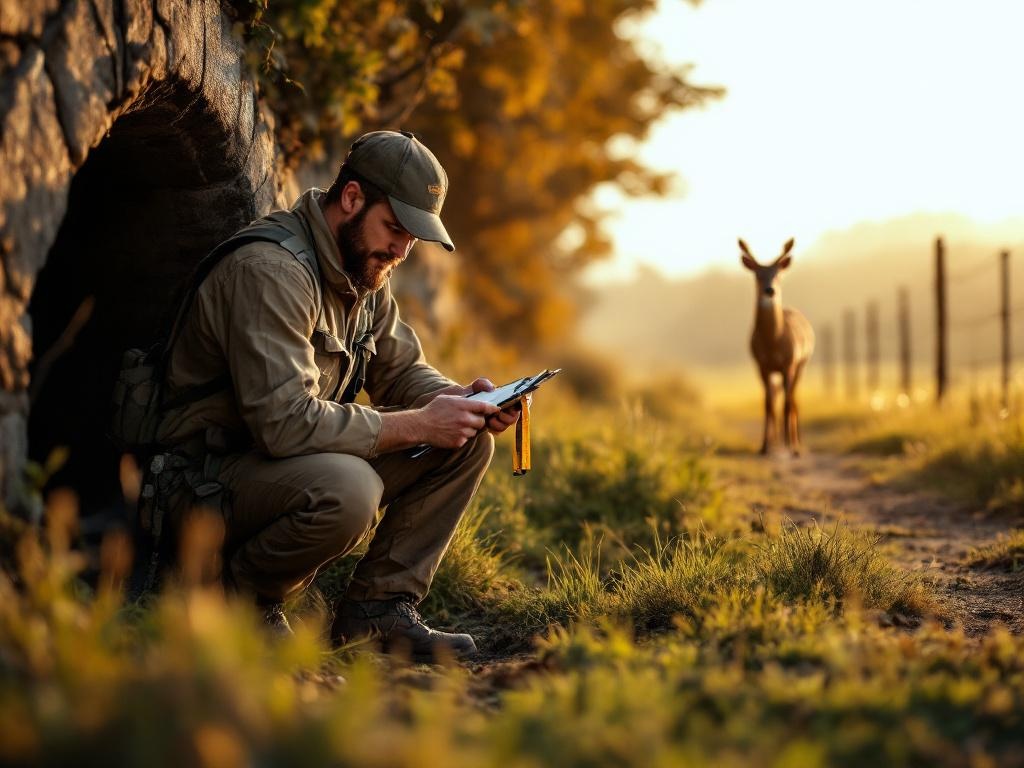
Roads, fences, culverts, and drainage ditches are quietly wrecking wildlife movement corridors all over the country — and most municipalities have no idea where their infrastructure is doing the most damage. A wildlife crossing audit service evaluates these everyday features, identifies the specific choke points where animals are being blocked or killed, and recommends low-cost fixes that don't require a congressional budget. The pitch to local governments practically sells itself: fewer deer-vehicle collisions means less property damage, fewer emergency road closures, and less strain on whatever animal removal system the county already hates paying for. Conservation meets cost savings, and that's a conversation most county commissioners are willing to have.
Idea 4: Outdoor Task Micro-Apprenticeships

If you've ever tried to hire someone who actually knows how to run a chainsaw safely, build a fence that stays standing, or maintain a trail without accidentally creating an erosion nightmare, you know the talent pipeline for outdoor field work is basically a dripping faucet. This service pairs landowners, conservation organizations, and outfitters with people who genuinely want to learn those specific skills — short-term, hands-on, structured micro-apprenticeships that create real field-ready workers rather than another certification nobody asked for. It's not a trade school; it's more like learning to weld by actually welding something useful. The business model works on both sides: clients get skilled help, learners get practical experience, and the outdoor sector gets a workforce it's been quietly desperate for.
Idea 5: Field Path Stabilizer Panel

Spring is beautiful right up until your access path turns into a mud pit and your equipment is buried to the axle by 8am. Every farm, conservation site, and field crew operation has at least one high-traffic corridor that becomes genuinely impassable after a solid rain, and right now the solution is usually gravel, prayer, or both. A tough, reusable interlocking stabilizer panel — laid directly over wet or worn paths — keeps foot traffic, vehicles, and light equipment moving without tearing up the ground underneath. It's quick to deploy, pulls up when conditions improve, and pays for itself the first time it saves someone from a stuck skid steer and a very bad afternoon. Durable access infrastructure for people who can't afford to lose a day to the mud is a market hiding in plain sight.
Into the Water
Full disclosure — we were out of town this week, which means our hunt for individual freelance plastic molders is still very much a work in progress and not yet a success story. We haven't found our person yet, but the objective hasn't changed: we want a freelancer who can help us get actual prototypes in hand, not another manufacturer quoting us minimum order quantities that make our eyes water. In the meantime, we've been keeping the broader outreach alive — sending emails and requesting meetings with manufacturers across categories, from dehumidifiers to gym bags and everything in between. It might seem scattered, but there's a method to it. Every conversation teaches us something about materials, timelines, and how production people think, and that education is worth something even when it doesn't lead anywhere immediately. Our best shot remains the freelance route, and we're not giving up on it.
There's also something bigger we need to address — our patent. The process works in two phases: a provisional patent comes first, which gives you a twelve-month window and an official timestamp on your idea. After that, you decide whether to pursue a full utility patent, which is more thorough, more expensive, and the real legal protection. Here's where we stand: our provisional patent is approaching its expiration date, and we have to make a call. The first school of thought says spend the money now, protect the idea, don't leave yourself exposed. The second says your greatest competitive advantage isn't a patent — it's your momentum. No one is running with your idea as fast as you are. Every prototype attempt, every failed manufacturer call, every lesson learned is building a moat that a piece of paper can't replicate. Under this thinking, you get the product to market first, generate some revenue, and then pursue the utility patent with better resources and probably a better attorney.
The honest answer is we haven't decided yet, and we're not going to pretend otherwise. What we can tell you is that plenty of companies have started manufacturing while their provisional lapsed and before a utility patent was even pending — so we're not in uncharted territory, just uncomfortable territory. We're still debating it, still turning it over, and we'll share where we land as soon as we do. These are the kinds of decisions that feel much bigger than they probably are, and the best thing we can do right now is keep moving and not let the question become the reason we stop.
See you next week for more…

Next Gen Ideas encourages the free and independent use of these ideas, and any monetary gains generated from these ideas is the sole property of the individual who took action on these ideas. Next Gen Ideas forgoes any inherent right of ownership over these ideas.