
- Idea 1: The Chair That Actually Fits You
- Idea 2: Sauna on Wheels
- Idea 3: Backyard Archery Range Kit
- Idea 4: Youth Sports Film Breakdown App
- Idea 5: Ice Mold Water Filters
- Into the Water
For those of you that are new, welcome to Next Gen Ideas, the newsletter that provides the catalyst for entrepreneurs and innovators looking for a little creative spark. Each week, we will send 5 ideas that have randomly popped into our heads as regular everyday people – we're no billionaires, no business gurus, just some people with overactive imaginations. We end each issue with progress, lessons, and behind-the-scenes notes from moving one idea from ideation to action in Into the Water.
Here's a reminder we needed ourselves this week: your best ideas don't have to be born in isolation. Two of this week's five ideas came directly from subscribers — one brand new, one a missed opportunity hiding in plain sight from last week's newsletter. Honestly, we're a little embarrassed we didn't catch it ourselves, but that's the beauty of a community that's actually paying attention. When you open up the conversation, people surprise you. Some of the most obvious and most brilliant ideas are sitting right there in someone else's head, waiting for you to just ask. So if something's been rattling around in yours — send it over. We're clearly better with help.
As always, if you ever try to action one of these ideas or have actioned them in the past, please reach out and share your experience with us! We'd love to feature you in a newsletter.

Idea 1: The Chair That Actually Fits You
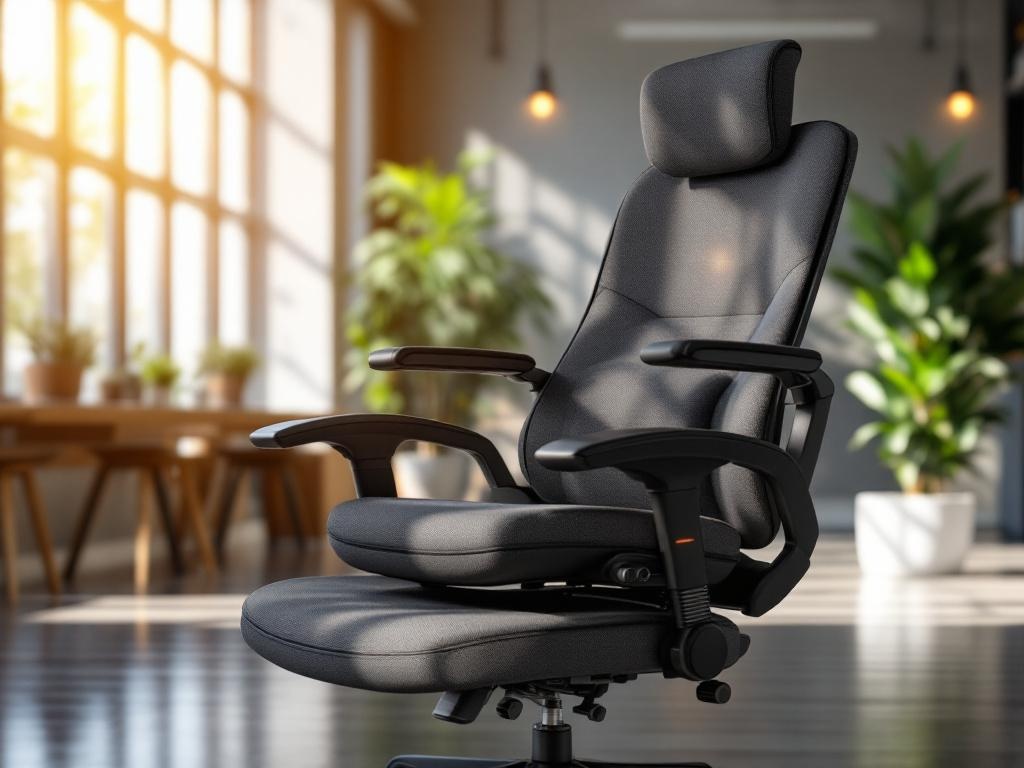
Here is our first subscriber idea of the week. Most office chairs give you two settings: slightly wrong and aggressively wrong. You can nudge the height, maybe tilt the back if you're lucky, and then you spend the rest of the day perched on the edge like you're about to testify before Congress. The real problem is that human bodies are wildly different, and chairs just... aren't. What if a chair let you adjust seat width, lumbar stiffness, cushion firmness, armrest angle — every variable, dialed in to you? Not just ergonomic in theory, but ergonomic in practice. This becomes even more compelling for shared workspaces, hot desks, and coworking environments where five different people sit in the same chair across the same day — one product, infinite configurations. The back pain industry is worth billions; this chair could chip away at why it exists in the first place.
Idea 2: Sauna on Wheels
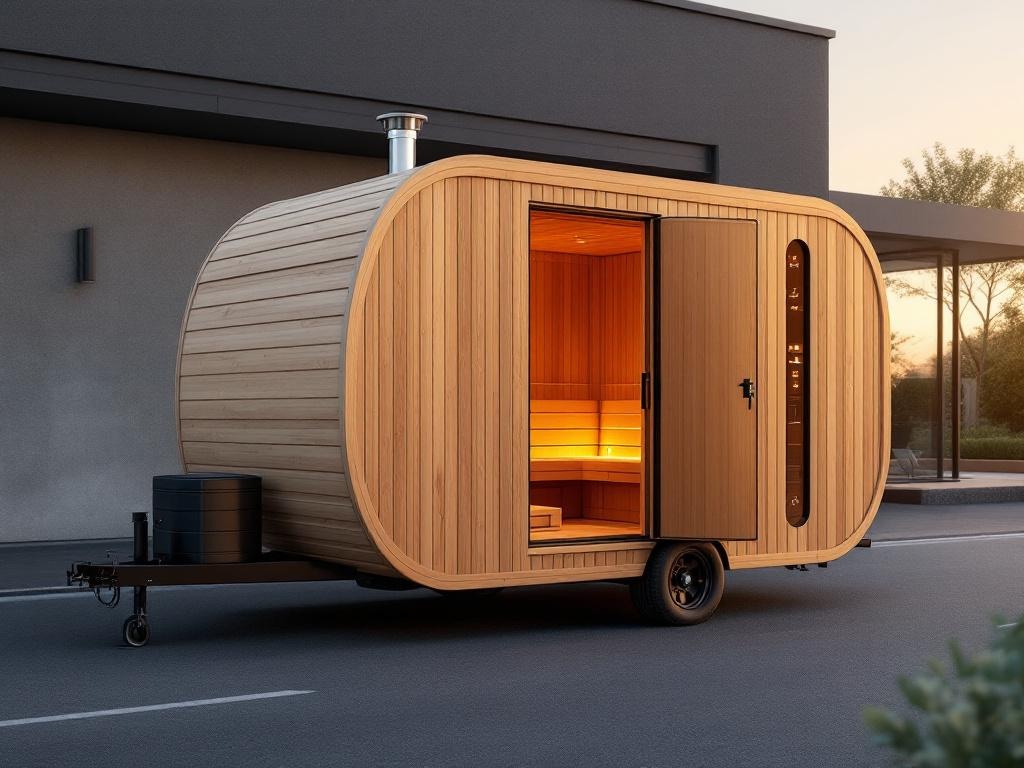
Last week we covered the ice bath trailer — a mobile cold plunge that gyms, apartment complexes, and wellness studios could rent by the day. A subscriber came back immediately with the obvious follow-up we somehow missed entirely: do the same thing, but hot. A towable sauna trailer, same mobile model, same recurring-revenue logic, just swap the ice for cedar walls and a wood-fired or electric heater. Gyms that can't justify the square footage or capital expense of a permanent sauna installation get access to the experience without the commitment. Events, retreats, corporate wellness days — the use cases stack up fast. We're a little red-faced that this one slipped past us, but that's exactly why we love hearing from you. Heat therapy is having a serious cultural moment, and whoever puts it on wheels first is going to have a very warm Q4.
Idea 3: Backyard Archery Range Kit

Archery is one of those hobbies that sounds incredibly cool until you realize that practicing it safely in a suburban backyard requires either a lot of faith or a very understanding neighbor. There's no good consumer product that solves this — a properly engineered kit that includes a large foldable foam backstop rated to actually stop arrows without destroying them, a perimeter catch net for the occasional wayward shot, distance markers, and a target system that folds flat when you're done. Clean, safe, packable, and designed for a standard suburban yard. With youth archery programs growing and Olympic archery's visibility at an all-time high, there's a whole generation of people who want to practice at home with zero infrastructure to support them. The archery range used to be a place you drove to — this kit makes it the place you already live.
Idea 4: Youth Sports Film Breakdown App

Every youth sports league has one: the parent who got voluntold into being a coach on a Tuesday and showed up to Saturday's practice with zero preparation and a lot of enthusiasm. It's not their fault — they signed up to watch their kid play soccer, not to run drills and diagnose footwork issues. An AI-powered app that lets coaches upload game or practice footage and receive structured feedback on mechanics, safety concerns, skill development gaps, and basic strategy would be genuinely transformative for the millions of accidental coaches running youth leagues right now. Think of it as having a patient, knowledgeable assistant coach living in your phone — one who won't judge you for not knowing the offside rule. Youth sports participation rates are enormous, the coaching pipeline is chronically undertrained, and AI that meets coaches where they are could make the whole experience safer and better for the kids on the field.
Idea 5: Ice Mold Water Filters
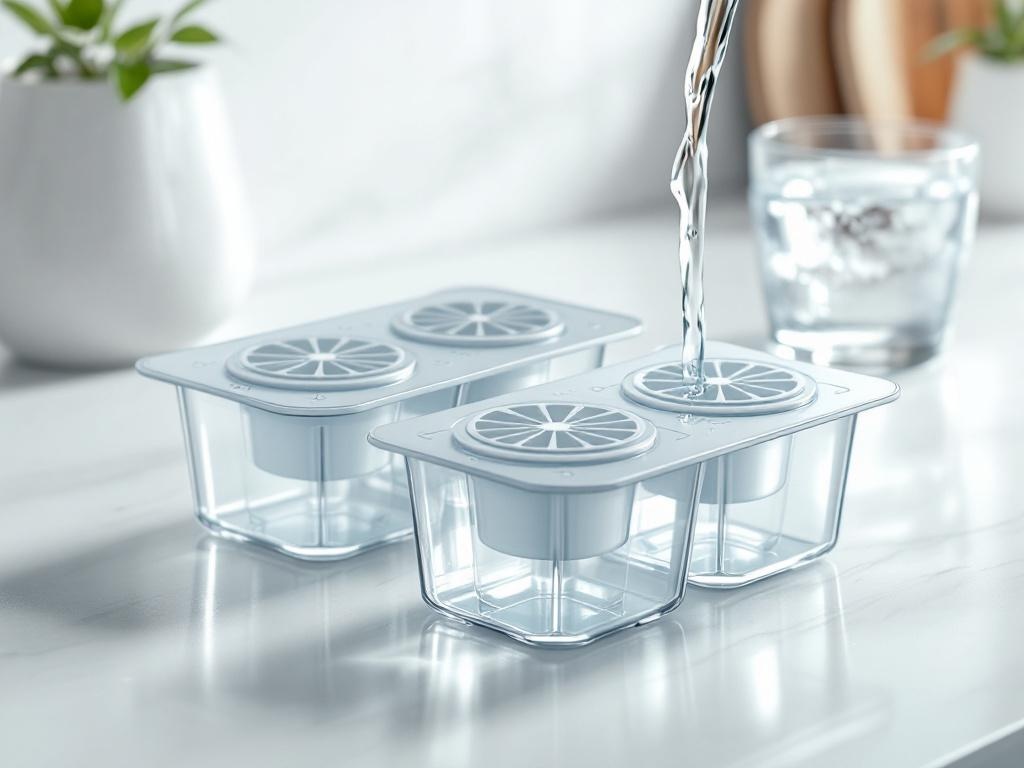
Here's a small but genuinely maddening inconsistency: millions of people have water filters on their taps, filter pitchers in their fridge, and reverse osmosis systems under their sinks — and then they fill their ice cube trays straight from the unfiltered tap without a second thought. The ice melts. That same water goes right back into the drink you just filtered. Ice mold water filters solve this quietly and elegantly — individual molds or trays with a small integrated filter element that the water passes through on the way in, so what freezes is clean. Simple, affordable, and fixes a gap that the entire filtered water industry somehow left open. If you're selling filtered water products and not also selling this, you're leaving money — and consistency — on the table.
Into the Water
After we submitted our patent, the natural next step felt obvious — find a manufacturer and get the thing made. Simple enough, right? We pulled together lists of manufacturers, leaned heavily on ChatGPT to help us expand those lists further, and started sending emails. What followed was one of the more humbling stretches of this whole journey. Most manufacturers came back quickly with some version of a polite no — not because they weren't interested in the business, but because micro-dehumidification units simply weren't in their wheelhouse. They didn't make them. Didn't have the tooling, didn't have the experience, didn't have a reason to start. A couple said yes, which felt like a breakthrough — until follow-up emails started disappearing into the void. The half-conversations were almost worse than the flat rejections. At least a no closes the loop.
What we didn't fully appreciate going in was just how narrow the manufacturing landscape is for something as specific as what we were building. Dehumidification at scale? Plenty of options. Dehumidification miniaturized into something compact and precise enough for our application, built in the United States? That's a much smaller club, and apparently most of the members weren't taking new applicants. Months went by — actual months — of outreach, waiting, partial conversations, and quiet rejections. The kind of friction that doesn't feel dramatic but quietly grinds you down if you let it. We kept expecting the next email to be the one that cracked it open, and it kept not being that email.
The lesson we took from it — eventually — is that some steps that look like formalities are actually the hard part in disguise. "Find a manufacturer" sounded like a task. It turned out to be a months-long negotiation with reality. The move isn't to keep pushing the same boulder up the same hill; it's to stop and genuinely ask whether you're pushing in the right direction at all. We had to re-examine what we actually needed, what we were actually trying to build, and whether the path we were on was the only one available to us. Next week, we'll tell you what we figured out — and which direction we actually went.
See you next week for more…

Next Gen Ideas encourages the free and independent use of these ideas, and any monetary gains generated from these ideas is the sole property of the individual who took action on these ideas. Next Gen Ideas forgoes any inherent right of ownership over these ideas.